Cultural Influences on Daily Diets
Understanding anthropological and social dimensions of food choices

Food and Cultural Identity
Food is deeply intertwined with cultural identity. Specific dishes, ingredients, and cooking methods carry cultural meaning and connect individuals to their heritage. Cultural food practices reinforce community bonds and transmit traditions across generations.
Social Norms and Food Practices
Every culture has established norms around what is edible, how food should be prepared, when it should be eaten, and with whom. These social conventions are learned from infancy and become automatic patterns of behavior. What is considered normal or desirable food varies dramatically across cultures.
Religious and Spiritual Dimensions
Religious traditions shape food choices through dietary laws, fasting practices, and ritualistic uses of food. Hindu vegetarianism, Muslim halal requirements, Jewish kosher practices, Christian fasting traditions, and Buddhist dietary principles all reflect spiritual and religious dimensions of food choice that have cultural significance.
Family Food Patterns and Transmission
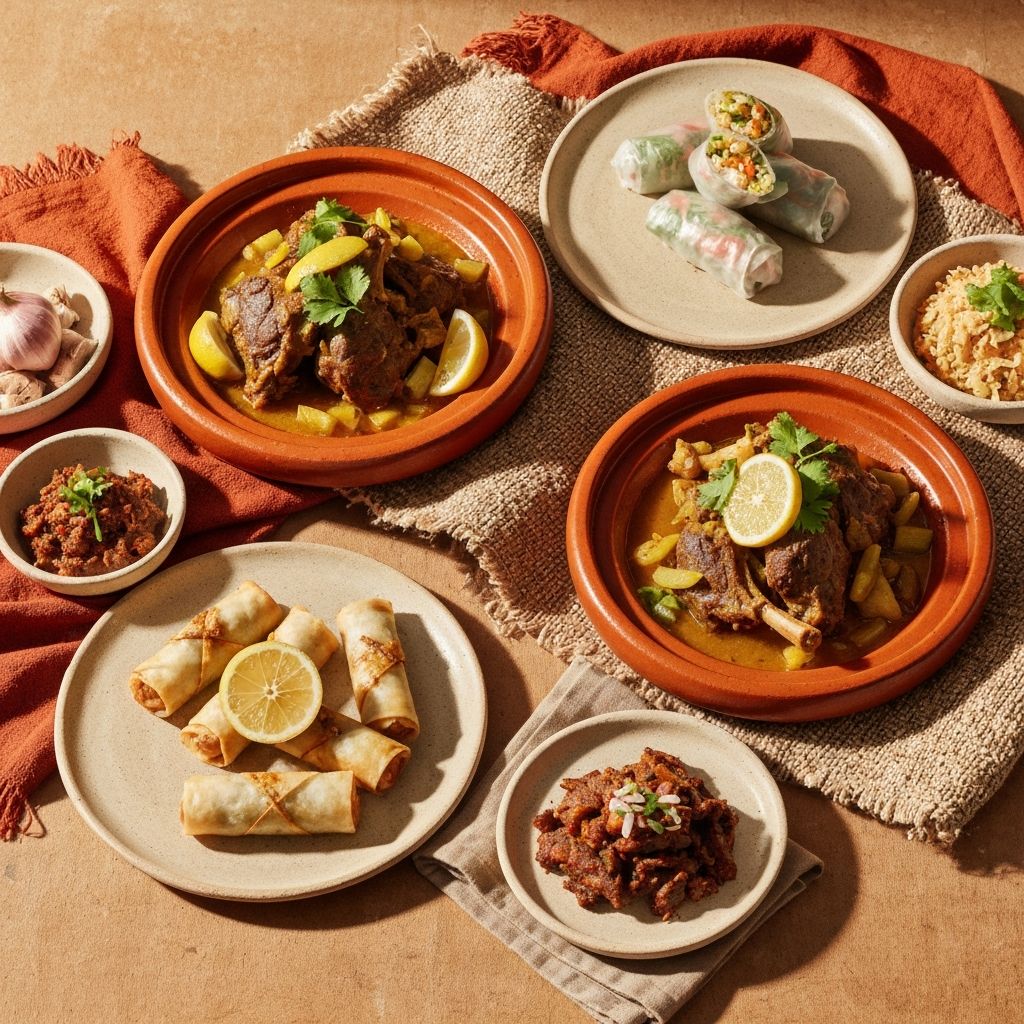
Family practices around food are central to cultural transmission. Children learn food preferences, cooking methods, meal timing, and food-related values from family members. Family food traditions often persist into adulthood and are transmitted to the next generation.
Geographical and Agricultural Context
Regional food systems develop based on climate, available crops, and traditional agricultural practices. Cultures develop cuisines featuring locally available ingredients. Modern globalization has altered this relationship, but geographical context historically shaped which foods were central to different cultural food systems.
Food Rituals and Social Bonding
Food preparation and consumption serve social functions in all cultures. Meal sharing creates and reinforces social bonds. Celebrations, holidays, and important life events often center on specific foods. These social and ritual functions of food exist across all cultures in different forms.
Limitations and Context
Cultural analysis explains patterns of food choice, but cultural variation exists within every society. Individual choices also depend on personal preference, access, and other factors beyond cultural norms. Cultural understanding illuminates context without determining individual choices.
Key Takeaways
- Food carries cultural and spiritual meaning beyond nutritional function
- Social norms around food vary significantly across cultures
- Religious traditions shape food choices through established practices
- Family food patterns transmit cultural food knowledge to new generations
- Food rituals create and maintain social bonds within communities
- Cultural context explains food patterns without determining individual choices
Educational content only. No promises of outcomes.